Morris Ranch
Napa Valley
Long before Cabernet Sauvignon found its home on these mountainsides, Morris Ranch was a working homestead shaped by the earliest agricultural traditions of Diamond Mountain.
The property's history stretches back to the 1870s, when the land formed part of a much larger ranch encompassing what are now several distinguished neighboring estates, including present-day Checkerboard Vineyard. Over generations, the original holdings were thoughtfully divided and sold, yet the landscape retains the character of those early years.
Among its earliest caretakers was Mary Kellett, who cultivated the land as a diversified farm with orchards, grazing cattle, chickens, and abundant gardens. The fertile valley surrounding Nash Creek, which winds through the southern portion of the property, provided both water and life to the ranch. During the age of steam locomotives, a Southern Pacific Railroad water pipeline followed the creek, supplying passing trains climbing north from San Francisco. It is a quiet reminder that this secluded mountain landscape once played a small but meaningful role in California's expanding frontier.
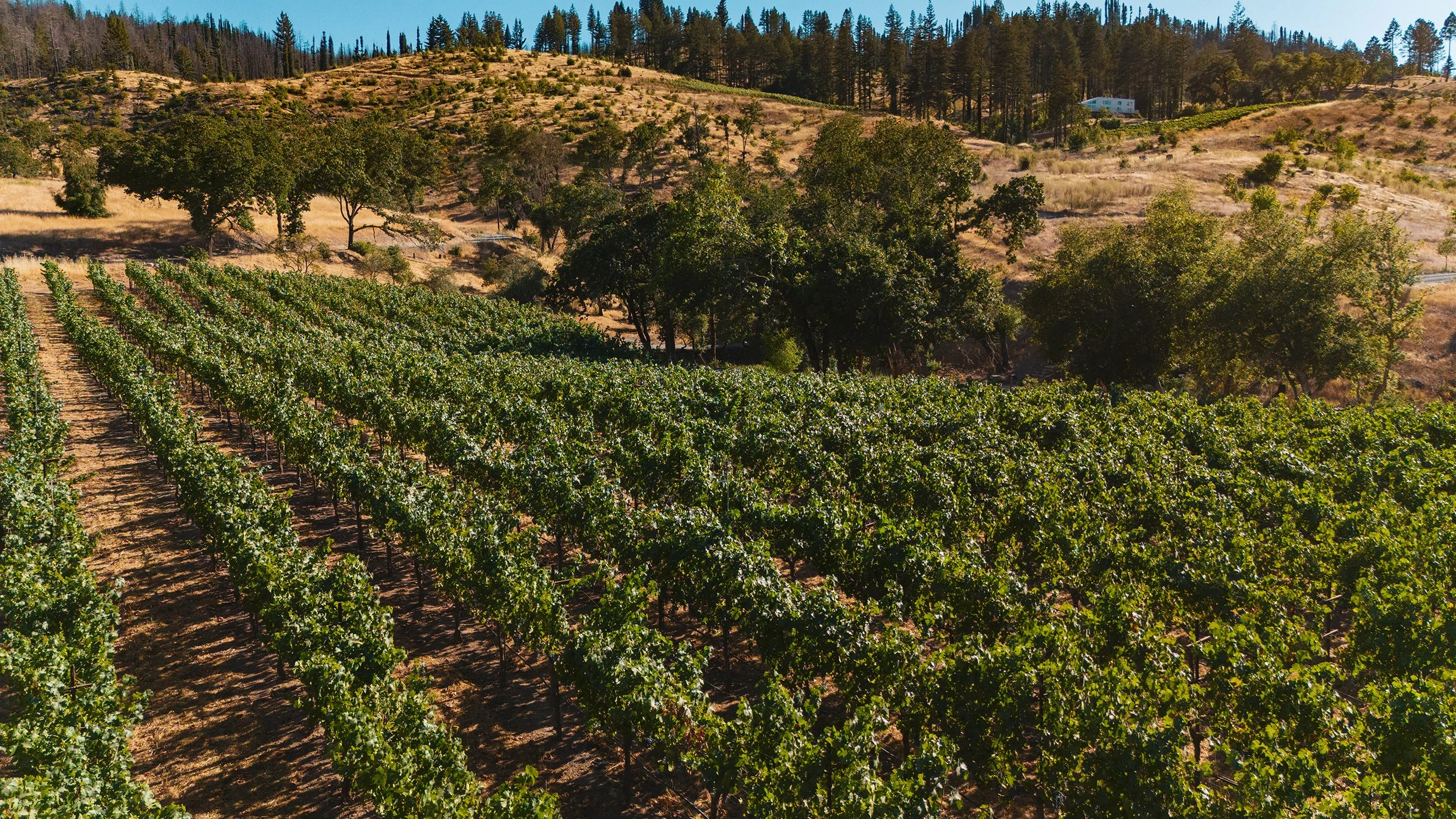
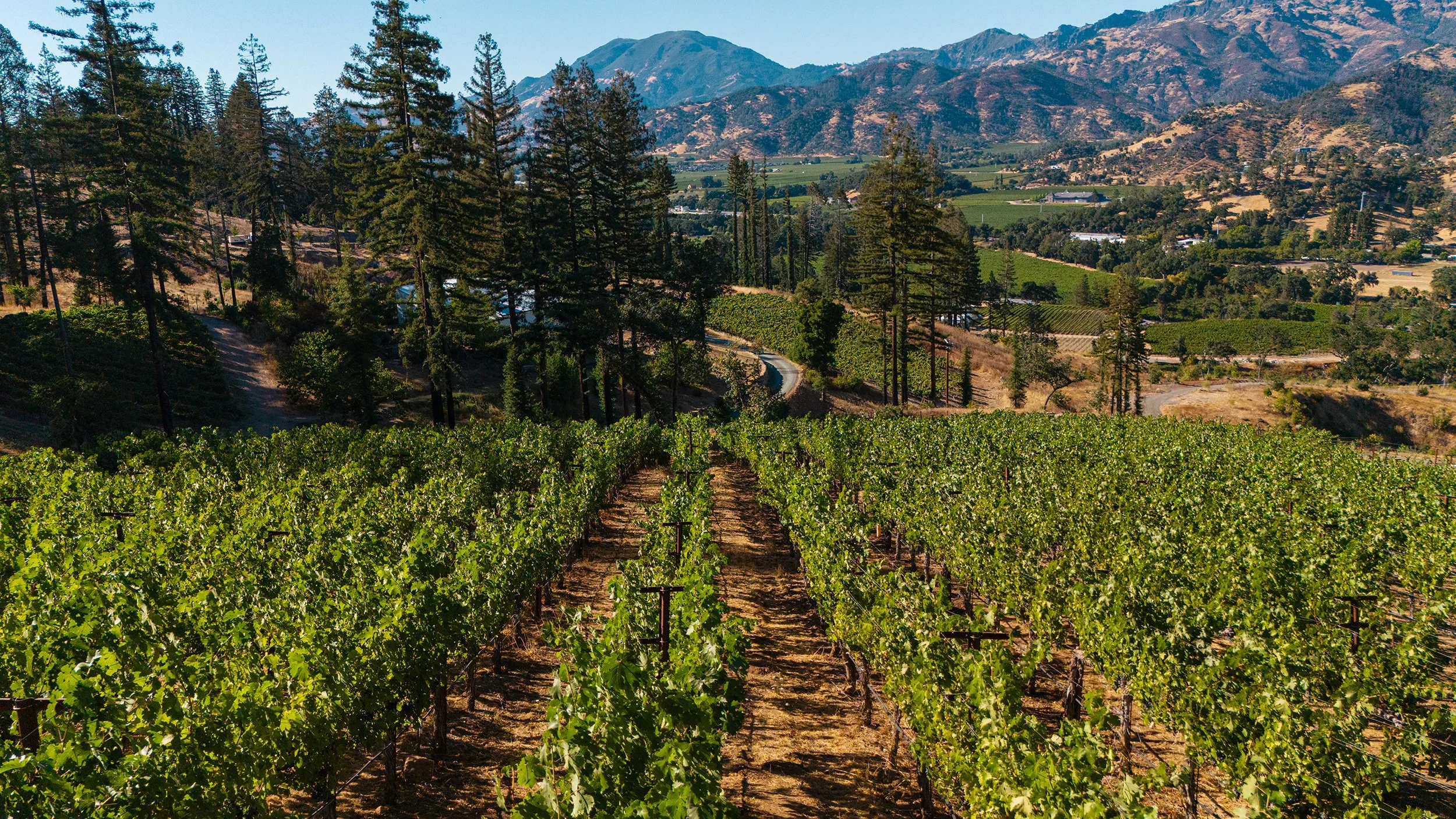
Agriculture has remained central to the property's identity for more than a century. In the 1950s, the Monhof family established the estate's first vineyards, recognizing the remarkable potential of Diamond Mountain's volcanic soils and rugged terrain. Those early plantings laid the foundation for what would become an exceptional vineyard site.
Today, Billy and Beth Morris continue that tradition with a deep respect for the land's past. Passionate gardeners by nature, they view themselves not simply as owners but as stewards, caring for the forests, waterways, and vineyards, believing that every generation bears the responsibility of leaving the land better than it was found.
That philosophy guides every decision made at Morris Ranch. From thoughtful replanting and sustainable farming practices to the meticulous cultivation of each vineyard block, the estate continues to evolve while honoring the generations who shaped it before. Today, these historic slopes produce the fruit for Glorious Revolution Cabernet Sauvignon, a wine that reflects not only the character of Diamond Mountain but the enduring legacy of the land itself.